
Root canal treatment is one of the most effective ways to relieve tooth pain and save a tooth that has been damaged or infected. The procedure itself is only part of the process, though. What you do in the days that follow matters too, and one of the most common questions patients ask after treatment is what they should eat. Choosing the right foods helps minimize discomfort, protect the treated tooth, and support recovery.
At APX Endodontics, our goal is to make endodontic care comfortable and effective while helping you protect your natural teeth. The right diet after treatment can go a long way toward ensuring the best possible outcome and keeping your recovery smooth. In this guide, we'll share what to eat and drink to promote comfort and get you feeling like yourself again as quickly as possible
Why Your Diet Matters After a Root Canal
During a root canal, the dental pulp, which is the soft inner tissue containing the nerves and blood vessels of the tooth, is removed and the canal is thoroughly cleaned and sealed. Removing the source of infection or inflammation. Afterward, the treated tooth and the surrounding tissue may feel sensitive for a few days. A temporary restoration is often placed while you wait for your permanent restoration or crown, and that restoration needs to be protected.
It's also worth knowing that a tooth that has been treated but not yet crowned is more vulnerable than it looks. Without a permanent restoration in place, the tooth is not as structurally strong as it once was and is at a higher risk of cracking. Chewing on the opposite side of your mouth and sticking to softer foods during this period significantly reduces that risk. Choosing the right foods minimizes irritation, protects the tooth, the temporary restoration, and supports your body's natural healing process. It's a small adjustment that pays off in a big way.
Best Foods to Eat After a Root Canal
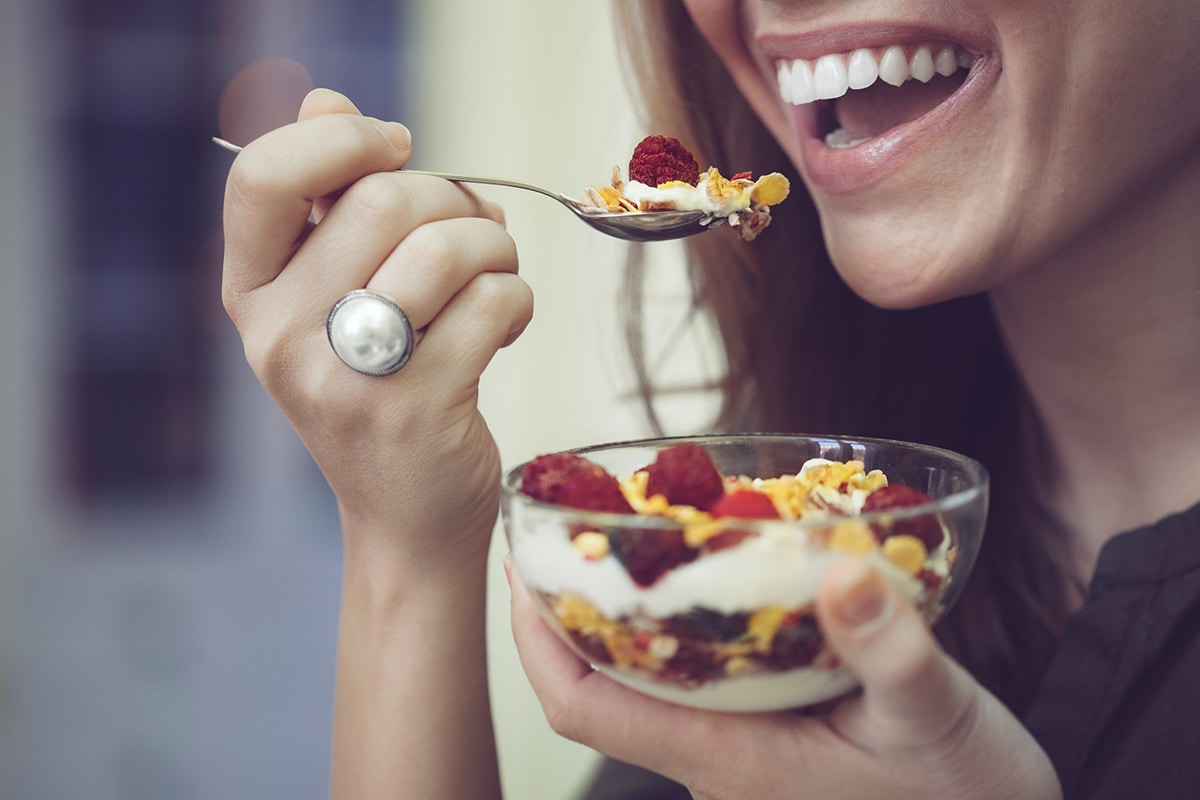
It is best to eat safe, soft foods that are easy to chew and gentle on the mouth. Examples may include:
- Yogurt
- Smoothies
- Mashed potatoes
- Scrambled eggs
- Oatmeal
- Soup
- Soft pasta
- Applesauce
- Protein shakes
These choices are gentle on the treated area and still give your body the nutrition it needs. Protein in particular supports tissue healing, so don't shy away from eggs, yogurt, or a good protein drink.
Foods to Avoid During Recovery
Certain foods can aggravate sensitivity or put the temporary restoration at risk. Until your permanent crown or restoration is placed, try to steer clear of:
- Hard foods that require significant biting force
- Crunchy foods like chips, raw vegetables, or crackers
- Sticky foods like caramel, gummies, or chewy candy
- Spicy foods that may irritate already-sensitive tissue
Avoiding these items helps protect the tooth until a permanent restoration is placed. It can also prevent or minimize discomfort and irritation of the treated area.
A Few Tips to Make Eating More Comfortable
Beyond what you eat, how you eat matters too. A few things that can help:
- Wait until any numbness has fully worn off before eating so you don't accidentally bite your cheek or tongue
- Let hot foods and drinks cool down before eating or drinking them, especially if you are still numb
- Cold foods can actually help with swelling and inflammation, so a smoothie or some yogurt right after treatment is a great choice
- Chew on the opposite side of your mouth from the treated tooth
- Brush and floss gently around the area, following any specific instructions your endodontist gave you
Getting Back to Normal
Most patients are back to eating normally within a few days. Once your permanent restoration is placed and your tooth is fully restored, you can return to your regular diet without restriction. In the meantime, a little extra care goes a long way.
If you have any questions about your recovery or something doesn't feel right, please don't hesitate to reach out. We are always happy to hear from you.
Protecting Your Tooth and Supporting a Smooth Recovery
Following your post-treatment care instructions and choosing gentle foods are two of the simplest things you can do to set yourself up for a comfortable recovery. Attending your follow-up visits is just as important. These appointments allow us to monitor your healing and complete your permanent restoration, both of which are essential to the long-term health and function of your tooth.
At APX Endodontics, our goal is always to save your natural tooth whenever possible. Root canal treatment is one of the most reliable ways to do that, and with the right care afterward, a treated tooth can serve you well for many years to come.
Frequently Asked Questions About Root Canal Recovery
When can I eat after a root canal?
Wait until the anesthesia has fully worn off before eating anything. This usually takes a few hours and helps you avoid accidentally biting your cheek or tongue while you're still numb. Once the numbness is gone, soft foods are a great place to start.
How long do I need to stick to soft foods?
Most patients feel comfortable returning to a normal diet within a few days. That said, we recommend avoiding hard or sticky foods until your permanent crown is in place to protect the tooth in the meantime.
At APX Endodontics, we focus exclusively on endodontic care designed to save natural teeth and relieve dental pain. Our team combines advanced technology with a patient-centered approach to make root canal treatment precise, comfortable, and effective. If you have questions about recovery after treatment or need expert care, contact us today to schedule an appointment.
